

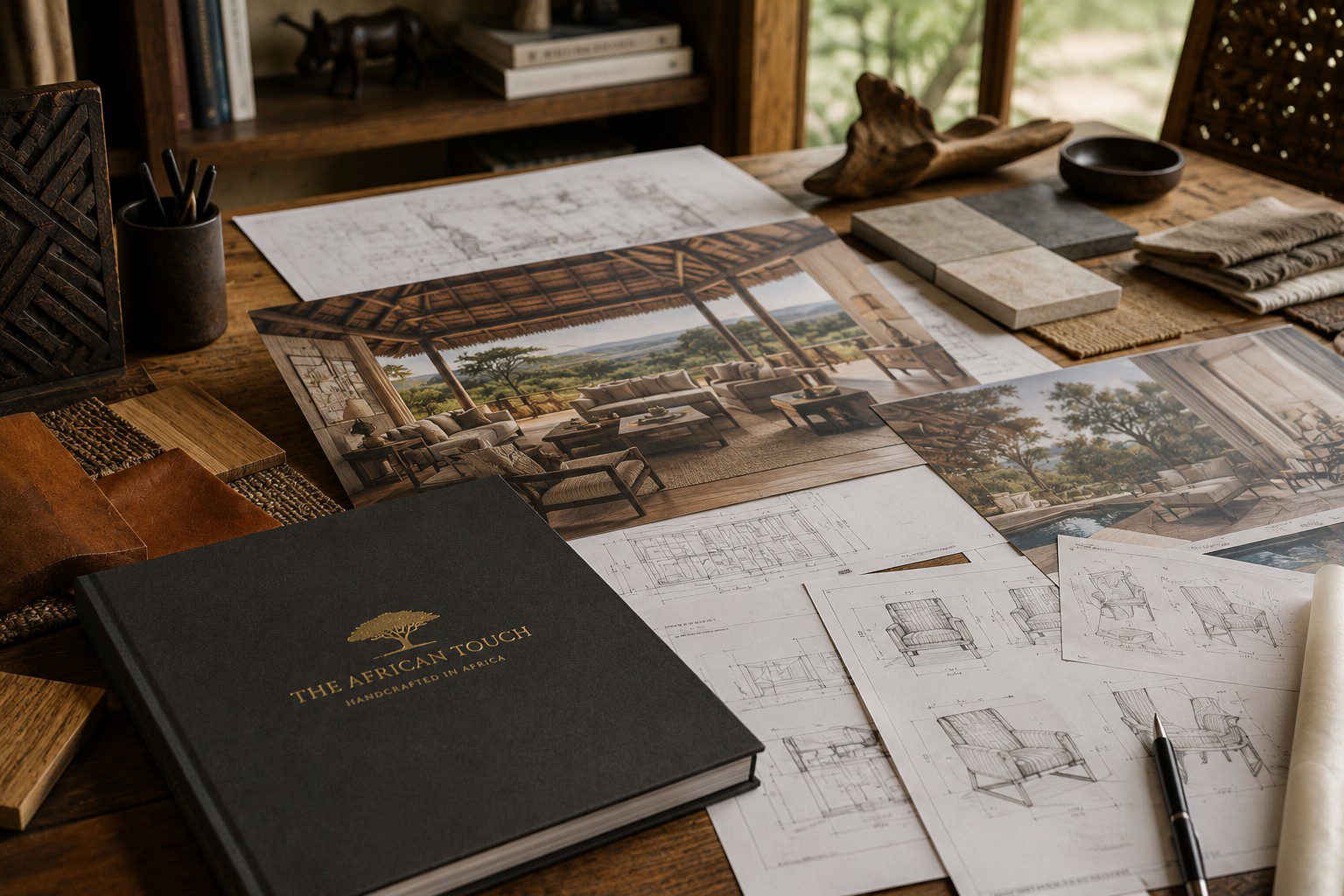
When you are designing a safari lodge, boutique hotel, luxury camp, or hospitality space, your furniture supplier becomes far more than a company that manufactures tables and chairs. They become part of the project team.
The right supplier helps keep your project on schedule, solves practical site challenges, protects your design vision, and delivers furniture that will survive years of daily hospitality use. The wrong supplier creates delays, inconsistent quality, communication issues, and expensive problems once guests arrive.
For interior designers working across Southern Africa and beyond, choosing the right furniture supplier can directly affect the success of an entire project.
This guide walks through what interior designers should realistically expect from a professional furniture supplier, especially when working on safari lodges, camps, boutique hospitality spaces, and high-end residential projects.
A Furniture Supplier Should Understand Hospitality Projects
Hospitality furniture is very different from residential furniture.
A lodge chair may be used by hundreds of guests every month. A bedside table might need to survive humid climates, dusty environments, rough transport routes, or seasonal outdoor use. Furniture used in remote safari camps also needs to be practical to transport, maintain, repair, and replace.
An experienced hospitality furniture supplier understands these realities before production even starts.
At The African Touch, many projects involve remote safari camps, boutique lodges, luxury tented camps, and hospitality properties across Southern Africa. That experience matters because hospitality projects often involve:
- Tight installation deadlines
- Remote site access
- Cross-border logistics
- Long lead times for custom work
- Coordinating with contractors and procurement teams
- Furniture that must withstand constant guest use
A good supplier should already understand these pressures and help reduce them, not add to them.
Clear Communication Should Be Standard
Interior designers should never be left chasing updates.
One of the biggest frustrations in hospitality projects is inconsistent communication during manufacturing and delivery. A professional supplier should communicate clearly from the beginning about:
- Lead times
- Material availability
- Production schedules
- Approval deadlines
- Shipping timelines
- Installation planning
- Possible delays
What this really means is that transparency matters more than promises.
A supplier who honestly tells you a project will take 16 weeks is far more valuable than one who promises 8 weeks and delivers in 20.
For larger lodge projects, timelines often depend on multiple moving parts including timber drying, hardware sourcing, transport scheduling, and site readiness. Experienced suppliers understand how to manage these variables and keep clients informed throughout the process.
Designers Should Expect Help With Technical Details
A strong furniture supplier should help solve technical problems before they become expensive mistakes.
That includes:
- Advising on timber suitability
- Reviewing dimensions
- Suggesting practical finishes
- Helping with upholstery selections
- Recommending commercial-grade materials
- Adjusting furniture for site access limitations
- Providing technical drawings where needed
For example, a designer may love the look of a large hardwood dining table, but if it cannot physically fit through the lodge entrance or travel to a remote camp site, the supplier should flag this early.
Likewise, outdoor furniture for safari lodges requires different material considerations than indoor furniture. Sun exposure, humidity, insects, dust, and heavy guest usage all influence material choices.
An experienced supplier should help guide these decisions while still respecting the designer’s aesthetic direction.
Customisation Should Feel Collaborative
Most hospitality projects require some level of customisation.
That does not always mean designing entirely new furniture pieces from scratch. Often, it involves adapting existing designs to better suit a project.
This may include:
- Adjusting dimensions
- Changing timber species
- Modifying finishes
- Custom upholstery
- Branding details
- Altering storage layouts
- Matching existing architectural styles
The process should feel collaborative rather than transactional.
At The African Touch Projects Page, many projects involve adapting pieces specifically for safari lodges, hospitality suites, guest villas, and outdoor entertainment areas. Interior designers often need flexibility while still maintaining consistency throughout a property.
A good supplier understands how to protect the overall design language of a project while still solving functional requirements behind the scenes.
Quality Should Go Beyond Appearance
Furniture can look beautiful in photographs and still fail within a year of hospitality use.
Interior designers should expect commercial-grade construction methods from a serious supplier.
That includes things like:
- Proper joinery
- Solid hardwood construction
- Durable hardware
- Replaceable components
- Hospitality-grade finishes
- Strong frame structures
- Quality control during production
This is especially important for frequently used items like safari chairs, dining chairs, luggage racks, beds, and outdoor furniture.
Campaign-style furniture has remained popular in safari hospitality partly because it was originally designed for durability and portability. Pieces like folding safari chairs and field bars still work well today because they combine practicality with timeless aesthetics.
The supplier should also be able to explain why certain materials and construction methods are being used, rather than simply marketing furniture as “luxury.”
Interior Designers Should Expect Realistic Lead Times
One of the most misunderstood parts of custom furniture manufacturing is lead time.
Quality hardwood furniture takes time to produce properly. This is particularly true when working with dense hardwoods, hand-finished details, leatherwork, brass fittings, or custom specifications.
Interior designers should expect suppliers to provide:
- Realistic timelines
- Production scheduling clarity
- Updates throughout manufacturing
- Advance notice if delays arise
They should also expect guidance on when orders need to be placed.
For large lodge openings or refurbishments, furniture planning ideally starts many months before installation. Waiting until construction is nearly complete often creates unnecessary pressure on everyone involved.
A professional supplier will usually encourage early sign-offs and production booking to protect project timelines.
A Supplier Should Understand Logistics and Exporting
For projects across Africa or internationally, logistics become a major part of the process.
A strong supplier should help coordinate:
- Export documentation
- Packaging requirements
- Consolidated shipping
- Cross-border transport
- Crating for international freight
- Delivery scheduling
This becomes particularly important for safari camps and remote lodge projects where deliveries may involve difficult terrain or strict timing windows.
Designers should not need to manage these challenges entirely alone.
For many hospitality projects, the furniture supplier becomes an important operational partner behind the scenes.
Consistency Matters Across Large Projects
One poorly finished room can affect how guests perceive an entire lodge.
Consistency across production runs is critical, especially when manufacturing:
- Multiple guest rooms
- Dining areas
- Outdoor lounges
- Bars
- Reception furniture
- Poolside seating
Interior designers should expect consistent finishing, matching materials, and strong quality control processes.
This matters even more when projects are completed in phases over months or years. A supplier should be able to maintain continuity across future orders so newer pieces still align with earlier installations.
Designers Should Expect Problem Solving
No hospitality project runs perfectly.
Delays happen. Sites change. Measurements shift. Shipping issues arise. Materials become unavailable.
A good furniture supplier helps solve problems calmly and practically.
That mindset is often more valuable than perfection.
For example:
- A supplier may redesign a piece for easier transport to a remote site
- They may suggest alternative materials during shortages
- They may split deliveries to meet installation deadlines
- They may adjust production schedules to prioritise critical items
Interior designers should expect flexibility, communication, and practical thinking throughout the process.
Sustainability and Material Sourcing Matter More Than Ever
Many hospitality clients now ask questions about sustainability, sourcing, and longevity.
Interior designers should expect suppliers to clearly explain:
- Where timber comes from
- How materials are sourced
- Whether products are designed for longevity
- How furniture can be repaired or maintained
Hardwood furniture often performs well from a sustainability perspective because quality pieces can last for decades rather than being replaced every few years.
Long-lasting furniture reduces waste and lowers replacement costs over time.
Designers increasingly want suppliers who understand both aesthetics and environmental responsibility.
A Supplier Should Support the Designer’s Vision
The best supplier relationships feel like partnerships.
A good furniture supplier understands that the interior designer is responsible for delivering a cohesive guest experience. The supplier’s role is to support that vision through practical expertise, craftsmanship, and reliable execution.
That may mean helping refine concepts, advising on practicality, or manufacturing entirely bespoke pieces that align with the wider architectural and interior direction of a property.
Hospitality design works best when designers, architects, contractors, and furniture suppliers work collaboratively rather than independently.
Choosing the Right Furniture Supplier for Hospitality Projects
Interior designers working in safari hospitality and luxury lodge design need more than attractive furniture.
They need suppliers who understand hospitality operations, communicate clearly, manufacture consistently, and solve problems before they become costly.
Whether you are furnishing a boutique safari camp, a lodge refurbishment, a luxury villa, or an outdoor entertainment space, the right supplier helps protect both your project timeline and your reputation.
At The African Touch, we work closely with interior designers, architects, safari lodges, and hospitality developers across Africa and internationally. From custom furniture manufacturing to signature safari pieces, our focus is on creating furniture that balances durability, craftsmanship, and practical hospitality use.
Explore our:
If you are planning a lodge project, refurbishment, or hospitality installation, contact our team to discuss timelines, customisation options, and production scheduling.