

You may have already noticed that design is changing across Southern Africa if you are planning a new lodge or upgrading an old one.
It’s not as loud. More thought out. It’s less about the “theme” and more about how it feels to live in a space.
We can see this happening in real life on projects in Zimbabwe, Zambia, Botswana, Namibia, and South Africa. Interior designers, lodge owners, and operators all want the same things: things that last, are easy to use, and make them feel more connected to the place.
Here are the most important trends in safari lodge design that are affecting projects right now and how they are being used.
1. A Move Toward Grounded African Design
What’s changing?
Design is moving away from overt colonial-African styling. Less dark leather overload, fewer heavy references to old-world safari nostalgia.
What this really means:
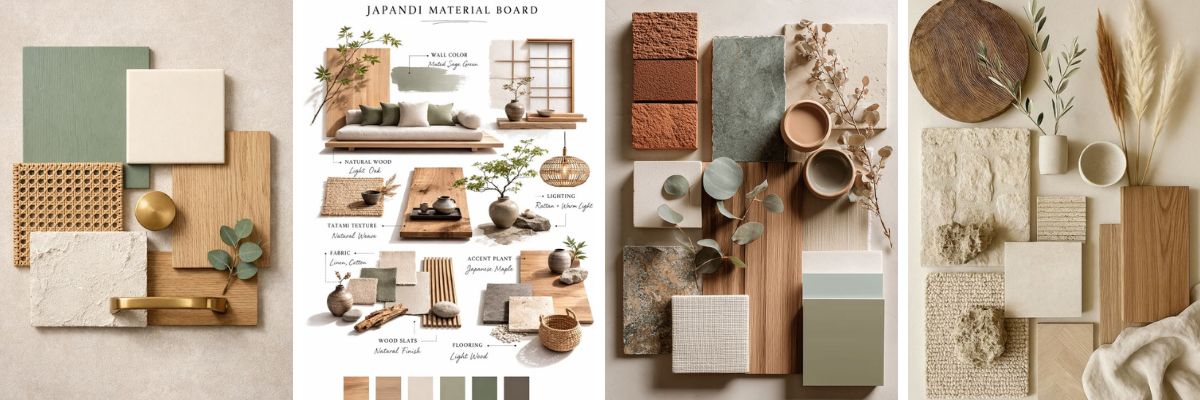
Spaces feel more rooted in the landscape. Materials, textures, and colours are drawn from the environment rather than history books.
What we’re seeing in practice:
- Lighter timber finishes alongside classic Zambezi Teak
- Natural linens replacing overly formal upholstery
- Earth tones, clay, sand, charcoal, muted greens
- Fewer decorative elements, more intentional pieces
Furniture still carries campaign DNA, but it’s simplified. Cleaner lines, less visual weight, more breathing room in a space.
2. Furniture That Works Hard in a Hospitality Setting
Why this matters:
Safari lodges are tough environments. Dust, heat, humidity, high guest turnover. Furniture needs to hold up without constant maintenance.
The shift:
Designers are prioritising performance just as much as aesthetics.
What’s being specified:
- Solid hardwood construction, especially Zambezi Teak and African Mahogany
- Proper joinery like dovetails and mortise-and-tenon
- Replaceable components, canvas, leather, sling seats
- Stackable or foldable pieces for flexibility
For example, safari chairs continue to be specified across almost every project. Not because they’re trendy, but because they work. Director’s Chairs, Roorkhee Chairs, and Spanish Chairs are still some of the most repeated items across lodge specs.
3. Indoor–Outdoor Living Is Now Expected, Not Optional
Guests don’t come on safari to sit inside.
Design response:
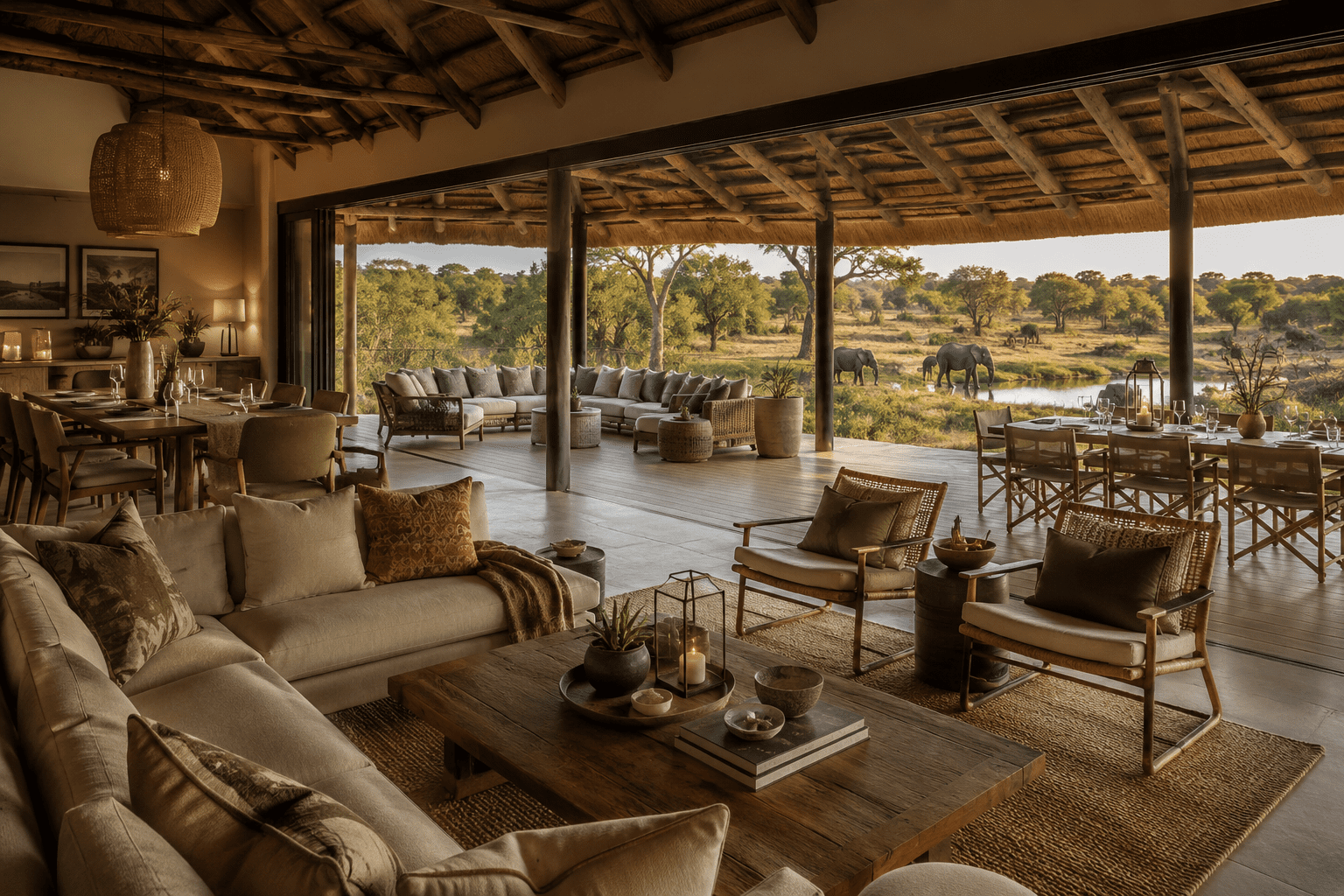
Spaces are blurring the line between interior and exterior.
What this looks like:
- Covered verandas functioning as full lounges
- Outdoor dining areas with the same level of finish as interiors
- Furniture that can move easily between spaces
This is where portable pieces come in.
Game drive seating, folding tables, and field bars are no longer add-ons. They’re part of the core guest experience, especially for sundowners and bush breakfasts.
4. Modular and Flexible Furniture Layouts
Lodge operators need spaces that can adapt quickly.
Why:
Rooms and communal areas serve multiple purposes throughout the day and across seasons.
What we’re seeing:
- Lightweight but durable chairs that can be moved easily
- Folding tables for temporary setups
- Multi-use furniture, desks that double as vanities, benches that work as luggage racks
Flexibility is becoming a key design requirement, not an afterthought.
5. A Return to Craft and Honest Materials
There’s a noticeable pull back toward authenticity.
Guests can tell when something is mass-produced. And they can definitely tell when it’s been made properly.
What designers are prioritising:
- Solid timber over veneers
- Visible joinery and construction detail
- Hand-finished surfaces
- Natural ageing and patina
This is especially true in higher-end camps and boutique lodges, where the story behind a piece matters just as much as how it looks.
6. Bedrooms Designed for Comfort, Not Just Aesthetic
The safari bedroom has changed quite a bit.
It used to be about visual impact. Now it’s about how the space works over a multi-night stay.
What’s driving this:
Guests are staying longer. Expectations are higher. Comfort matters.
What we’re seeing in bedroom design:
- Properly scaled beds and headboards, not oversized statement pieces
- Functional bedside tables with storage and lighting integration
- Dedicated luggage racks to keep rooms organised
- Compact desks or writing tables for longer stays
A well-designed safari bedroom now balances calm, function, and durability. Everything has a purpose.
7. Statement Pieces That Anchor a Space
While overall design is becoming more restrained, one thing hasn’t changed.
Every space still needs a focal point.
What’s being used:
- Hardwood field bars in lounges and dining areas
- Large communal dining tables
- Feature chairs with strong silhouettes
For example, a well-built field bar often becomes the centre of a guest experience, especially in communal areas. It’s practical, but it also creates a natural gathering point.
8. Designing for Logistics and Remote Locations
This is something many people overlook until it’s too late.
Building and furnishing a lodge in a remote location comes with real constraints.
What designers are factoring in earlier:
- Furniture that can be transported easily
- Knock-down or foldable designs
- Pieces that can be repaired on-site if needed
Campaign-style furniture continues to perform well here for a reason. It was originally designed for mobility, and that still matters today.
9. Sustainability That Goes Beyond Marketing
Sustainability is no longer a line on a website. It’s being questioned properly by clients and guests.
What’s actually being asked:
- Where does the timber come from?
- How often is it harvested?
- How long will this furniture last?
In practice, this is pushing projects toward:
- Responsibly sourced hardwoods
- Longer-lasting furniture instead of frequent replacement
- Materials that age well rather than degrade
For example, Zambezi Teak is often chosen because it’s naturally durable and managed under controlled forestry systems, with long harvesting cycles and its ability to coppice after harvesting.
10. Earlier Planning and Longer Lead Times
This is probably the most practical trend of all.
Design decisions are being made earlier in the project timeline.
Why:
- Custom furniture takes time
- Hardwood needs to be properly dried and worked
- Logistics across borders add delays
What we’re advising clients:
Start engaging your furniture supplier at least 9–12 months before opening.
It gives you time to:
- Finalise designs properly
- Prototype if needed
- Align production with your build schedule
Waiting too long usually leads to rushed decisions or compromised quality.
FAQs: Safari Lodge Design Trends
What furniture is essential for a safari lodge?
Core items include safari chairs, beds and headboards, bedside tables, wardrobes, luggage racks, dining tables, and field bars for communal spaces.
What materials are best for safari lodge furniture?
Solid hardwoods like Zambezi Teak and African Mahogany are widely used due to their durability and resistance to harsh environments.
How do you design a safari lodge that feels authentic?
Focus on natural materials, simple forms, and a connection to the surrounding landscape. Avoid over-theming.
Why is campaign furniture still popular in lodges?
It’s durable, portable, and designed for real use in outdoor and remote environments.